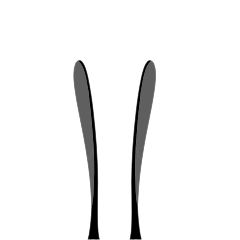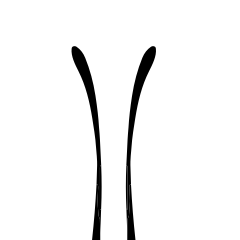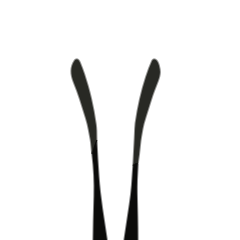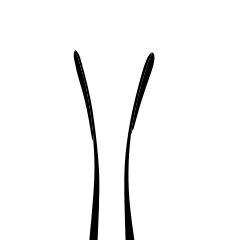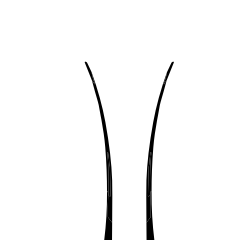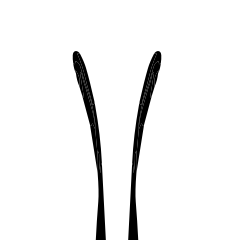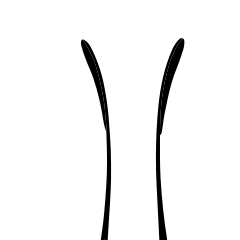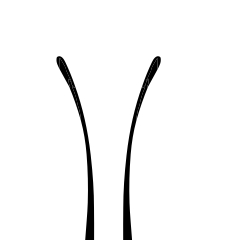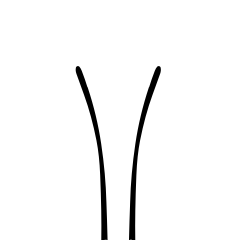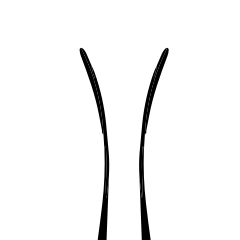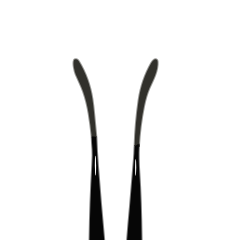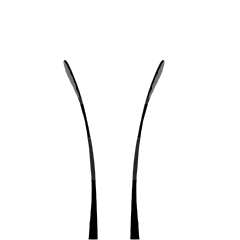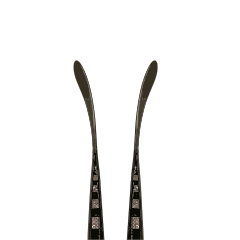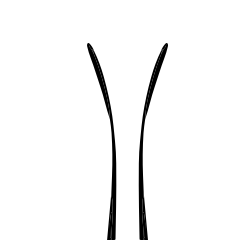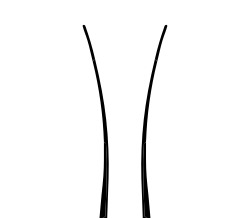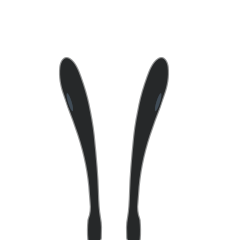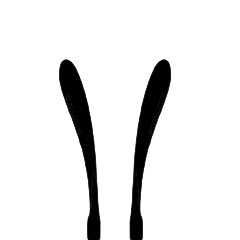
Select any curve and instantly see the equivalent name across every major brand. The most complete hockey stick curve chart on the internet.
The chart below maps every blade pattern in our catalogue to its closest equivalent across the major brands. If you grew up using a Bauer P92 and want to know what CCM, Warrior, or True call the same curve, find the row and read across. Click any curve name to see the full breakdown with NHL players, lie, face angle, and a blade diagram.
Brands name their curves differently for marketing and trademark reasons, but most modern blade families are interchangeable in shape. Blank cells mean the brand does not currently offer a direct equivalent of that pattern. The chart covers Bauer, CCM, Warrior, True, Sherwood, and Easton. Sherwood and Easton coverage is thinner because their current and historical lines focus on a smaller number of curves.
| Curve Family | Type | Bauer | CCM | Warrior | True | Sherwood | Easton |
|---|---|---|---|---|---|---|---|
| P92 / Matthews / P29 / Crosby also known as: Sakic, Modano, Hossa, Nugent-Hopkins, Old Crosby, Old Matthews | Mid-Toe | P92 | P29 | W03 | T92 | PP92 | Sakic |
| P88 / Kane / P80 / Ovechkin also known as: Yzerman, Iginla, Datsyuk, Old Kane | Mid | P88 | P88 | W88 | T88 | PP88 | · |
| PM9 / Larkin / P14 / Duchene also known as: Forsberg, Duchene, Old Larkin | Toe | PM9 | P14 | W01 | · | PP96 | · |
| P91A / Staal / P15 / Jones also known as: Drury, Parise, Old Staal, Old Jones | Mid-Toe | P91A | P15 | W05 | · | PP05 | · |
| P38 / Forsberg / P45 / Tavares also known as: Forsberg, Old Tavares | Mid-Toe | P38 | P38 | W16 | · | · | · |
| P28 / Eichel / P28 / McDavid also known as: Mcdavid, Old Eichel | Toe | P28 | P28 | W28 | T28 | PP28 | · |
| P02 / Kronwall / W02 / Lidstrom also known as: Lidstrom, Getzlaf, Shanahan, Old Kronwall | Heel | P02 | P20 | W02 | HCS | · | · |
| P106 / Richards / P50 / Gagne also known as: Richards, Gagne, Lupul, Savard, Burrows | Mid-Heel | P106 | P50 | · | · | PP09 | · |
| P14 / Toews / W14 / Chara also known as: Toews, Old Chara | Mid-Toe | P14 | P46 | W14 | T27 | PP14 | · |
| P19 / Nugent-Hopkins also known as: Nugent-Hopkins, Old Crosby | Mid-Toe | P19 | P19 | W19 | · | · | · |
| P46 / Bergeron also known as: Bergeron, Old Toews, Draper, Henrique, Kopitar, Backstrom | Mid-Toe | P46 | P46 | W46 | · | PP46 | · |
| P90T / Benn / P90TM / Tavares also known as: Benn, Tavares, Old Drury | Toe | P90T | P90T | · | T90T | PP90MX | · |
| W71 / Pacioretty | Mid | · | · | W71 | · | · | · |
| P08 / Ovechkin / P77 / Kremlin also known as: Ovechkin, Kremlin, Lindros, Old Ovechkin | Heel | P08 | P77 | W11 | TC3 | · | · |
| P30 / Panarin / Old Parise also known as: Sakic, Panarin, Old Parise, Old Sakic | Toe | P30 | P30 | · | · | · | · |
| P89 / Eberle / W04 / Vanek also known as: Eberle, Vanek, Old Eberle | Heel | P89 | · | W04 | · | · | · |
| P71 / Pro Malkin / Pro MacKinnon also known as: Malkin, Mackinnon, Old Malkin, P21 | Mid | P71 | P71 | · | · | · | · |
| P86 / Zegras also known as: Zegras, Old Zegras | Toe | · | P86 | · | · | · | · |
| P77 / Coffey also known as: Coffey, Old Coffey, Sherwood Coffey | Mid | · | · | · | · | PP22 | · |
| TC2.5 / True | Toe | P90T | PP90T | · | TC2.5 | · | · |
| T92.5 / True | Mid-Toe | P14 | PP14 | · | T92.5 | · | · |
| Easton Yzerman also known as: Yzerman, Shanahan, Sherwood Coffey, Old Yzerman | Heel | · | · | · | · | · | Yzerman |
| MC / Gaudreau also known as: Gaudreau, Old Gaudreau | Mid | · | · | · | MC | · | · |
| LD9 | Mid | · | · | · | · | · | · |
| MC2 | Mid-Heel | · | · | · | MC2 | · | · |
| P10 / Giroux | Mid | P10 | · | · | · | · | · |
| P1088 | Mid | · | · | · | · | · | · |
| P28M / P28 Mid | Toe | · | · | · | · | · | · |
| P34 | Mid | · | · | · | · | · | · |
| P92M / P92 Mid | Mid | · | · | · | · | · | · |
| P97 | Mid | · | · | · | · | · | · |
| PL29 | Mid | · | · | · | · | · | · |
| WN88 | Mid | · | · | · | · | · | · |
A curve, also called a blade pattern, is the shape molded into the bottom of your stick blade. It determines how the puck sits on the blade, how shots leave the face, and how the stick behaves when you stickhandle. Two sticks with identical flex, weight, and length can feel completely different in your hands if the curves differ.
Curves vary in three main dimensions. The first is the location of the deepest point along the blade, which is either heel, mid, mid-toe, or toe. The second is the face angle, which can be open, neutral, or closed. The third is the depth of the curve itself, ranging from slight to deep. A separate spec, the lie, describes the angle between blade and shaft when the stick sits flat on the ice.
A toe curve sits the puck on the front of the blade and is built for quick releases and toe drags. A heel curve sits it back and produces flatter, more controlled shots. Most modern NHL curves cluster in the mid and mid-toe range because they balance shooting power with stickhandling control. Picking the right curve is less about copying a pro and more about matching your shooting style and position.
Curve type describes where the deepest point of the curve sits along the blade. Each type produces a different feel and changes which shots and skills come naturally.
Toe curves put the deepest bend at the very front of the blade. They reward quick releases, toe drags, and lifting the puck into tight spots like the top corners. The trade-off is less stability on backhands and one-timers. P28 and the McDavid-style patterns are the canonical examples.
Mid-toe curves shift the bend slightly back from the toe. This is the most common curve family in the NHL because it preserves the toe snappy release while adding a flatter pocket for receiving passes and shooting from the mid-blade. P92, P29, and the Matthews family all sit here.
Mid curves place the deepest bend at the center of the blade. The result is balanced and predictable. Wristers, backhands, and one-timers all feel natural. Mid curves were standard for decades and remain popular with two-way forwards and defensemen. P88 and P14 are the classic mid-curve families.
Heel curves put the deepest point near the shaft. They produce flat, low, hard shots and exceptional puck control on the backhand. Slap shots load through the heel effortlessly. Modern players use them less than they did twenty years ago, but heel curves remain a defenseman tool and live on through patterns like the Lidstrom and PM9.
Position is a starting point but not the whole answer. Forwards who release the puck in close benefit from toe and mid-toe curves because the puck sits forward and leaves quickly. Forwards who shoot from distance or set up plays often prefer mid curves for accuracy and backhand control.
Defensemen typically choose mid or heel curves. Long, hard, low shots from the point load best through a flatter blade. A heel pocket also helps you bat down passes and chip pucks along the boards. Goalies pick their curves by feel rather than position science.
Beyond position, think about your shot mix. If most of your goals come from snap shots and quick releases, a toe or mid-toe curve will reward you. If you take a lot of one-timers from the high slot or wing, a mid curve gives you a flatter face that stays square to the net. Stickhandlers should also consider how open the face is. Open faces make it easier to lift the puck off the wall but harder to keep shots low.
Each brand uses its own naming convention for trademark and historical reasons. Bauer uses P codes such as P92, P28, and P88. CCM mixes player names with internal numbers, so you see Matthews, McDavid, Crosby, and P29 sitting next to each other. Warrior uses W codes paired with player tags. True uses TC codes. Sherwood uses PP codes on their Project line. Easton, before the brand was discontinued, used a mix of E codes and player names that newer brands inherited.
The codes look different but the underlying blade shapes are nearly identical across brands within each family. A Bauer P92 and a CCM P29 are both mid-toe curves with a similar face angle and depth. The naming is marketing and trademark. The shape is geometry. The chart above translates between them.
If you played in the 2000s or early 2010s, you probably still call your curve by a name no current retail stick uses. Sakic, Modano, Yzerman, Lidstrom, Iginla, Forsberg, and Drury were all standard pattern names a decade ago. Most of them were retired during the carbon shaft era as brands restructured their lineups and licensed new player names.
The shapes did not disappear. They mapped forward into the modern catalogue and now sit under different codes. A few common translations:
If you remember a curve by an older name, type it into the search box in the translator above. It will route you to the closest modern equivalent and show you what every current brand calls the same shape.
A handful of curve families dominate the NHL and the retail shelf. If you are switching brands and your current curve is one of the four below, find the row in the chart above to see what to ask for at the shop.
The most popular family in pro hockey. Auston Matthews, John Tavares, and Sidney Crosby all use variants. It is a mid-toe curve with a moderately open face, balanced for snipers and playmakers and forgiving on backhands.
The second most common pattern in the NHL. A true toe curve favored by quick-release shooters. Connor McDavid, Nathan MacKinnon, and Nikita Kucherov have all used variants. The deep toe loads quickly and lifts pucks into the top corners with ease.
A classic mid curve with a slightly closed face. Patrick Kane made it famous. It remains popular with stickhandlers and creative forwards because the closed face stabilizes the puck on toe drags and the mid pocket is forgiving on backhands.
A flatter mid pattern preferred by two-way centers and players who take a lot of one-timers from the wing. The flatter face keeps shots square to the net and rewards precise stickhandling more than flashy moves.
Comparing two sticks with different curves? See our side-by-side compare tool for spec-level differences in flex, kick point, weight, and construction.
The curve shape is what matters, not the name on the box. A Bauer P92, CCM P29, Warrior W03, and True TC2 all sit in the same family with nearly identical depth, face angle, and toe shape. Switching brands while keeping the same curve family will feel familiar within a few practices. The exception is exotic pro stock curves that only one brand makes.
Check the bottom of the blade. Every retail stick has the curve code printed there in small letters. If it has worn off, look up your stick model on the manufacturer site or use the StickMeta catalogue. The shaft graphic on newer sticks sometimes also lists the curve next to the flex rating.
Not in any meaningful way. The curve is heat-molded during manufacturing and the carbon layup is set. You can flex the toe slightly with a heat gun and water for marginal adjustments, but this voids warranties and rarely produces useful results. If you want a different curve, buy a stick with that curve.
Yes. NHL players often use one-of-one custom curves with subtly different depths, lies, or face angles compared to the retail version that shares the name. A retail Matthews P92 is an interpretation of his actual stick, not a clone. The shapes are close enough that most rec players cannot tell the difference, but the pro stock market exists for players who can.
33 blade curve patterns mapped across every brand. Click any curve to see the full breakdown, cross-brand equivalents, face angle, depth, lie, and which NHL players use it.
Not sure which curve you prefer? Start with the Find My Stick quiz first.
Select your brand and curve above
We'll instantly show you the equivalent curve name on every other brand.