StickMeta
Buyer's Guide

Best Hockey Sticks Under $200

Updated monthly with our top picks under $200 from across every brand.

Jump to

Budget sticks have closed the gap on elite sticks. Carbon fiber layups that used to live only in $300 flagship models have trickled down into the $150 to $200 range, and one-piece construction is standard at every price point. For a beer leaguer, a developing minor hockey player, or a returning adult skater, a well-chosen affordable stick will outperform an outdated elite stick from five years ago.

We split the picks below by age group because flex, length, and shaft diameter all change with the player. A 75-flex senior stick is not the same as a 75-flex intermediate stick. Each section ranks the top sticks for that level, caps each brand at two picks so you see real variety, and refreshes monthly.

We rank by community score, then by price, then by feature density. Every pick on this page has at least one published buy link from a retailer we trust, with current pricing. If a stick falls out of stock everywhere or its price jumps over $200, it drops off the list on the next refresh.
Senior

Best Senior Sticks Under $200

Senior sticks for adult players 5'7" and taller, typically with stiffer flex options in the 75 to 110 range.

1
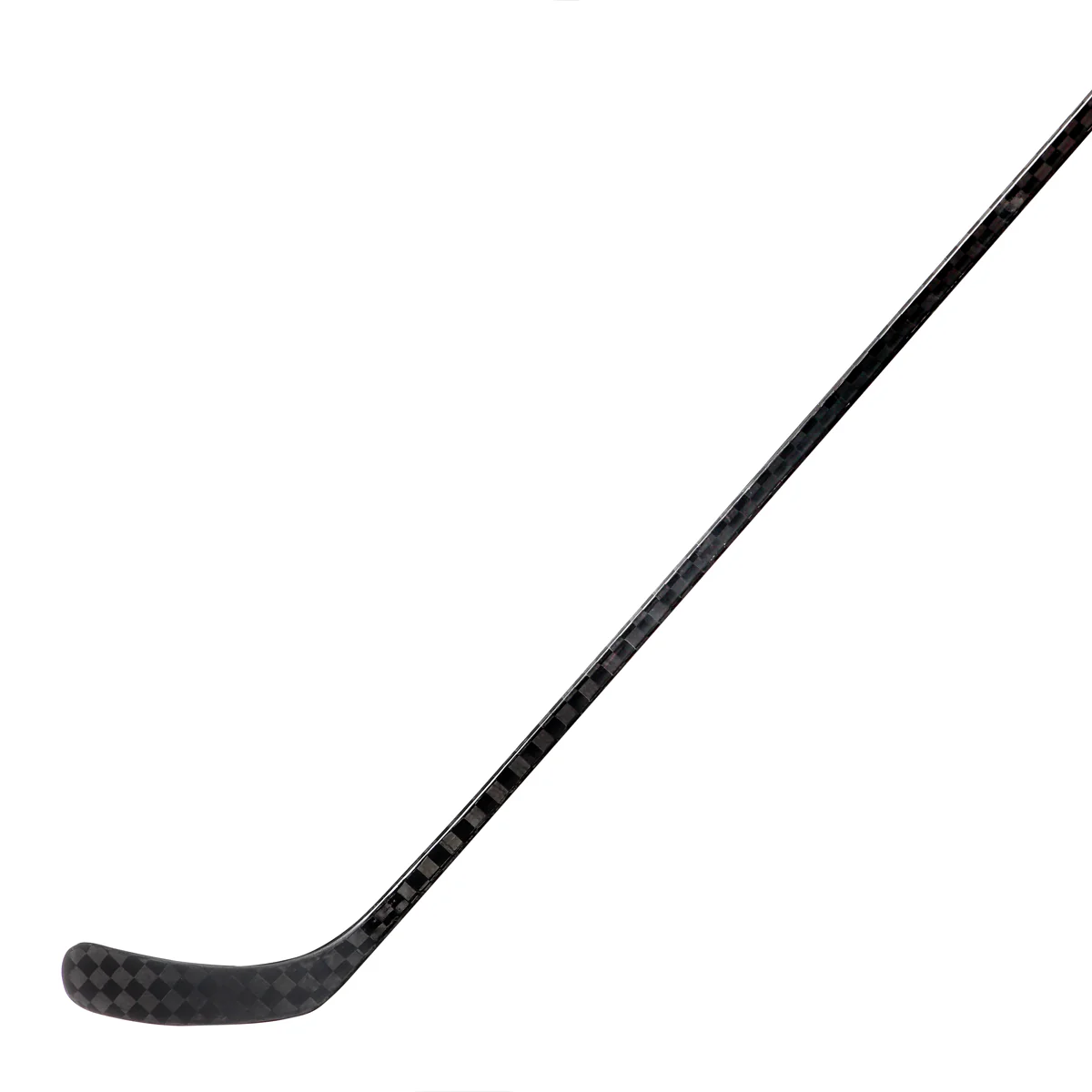
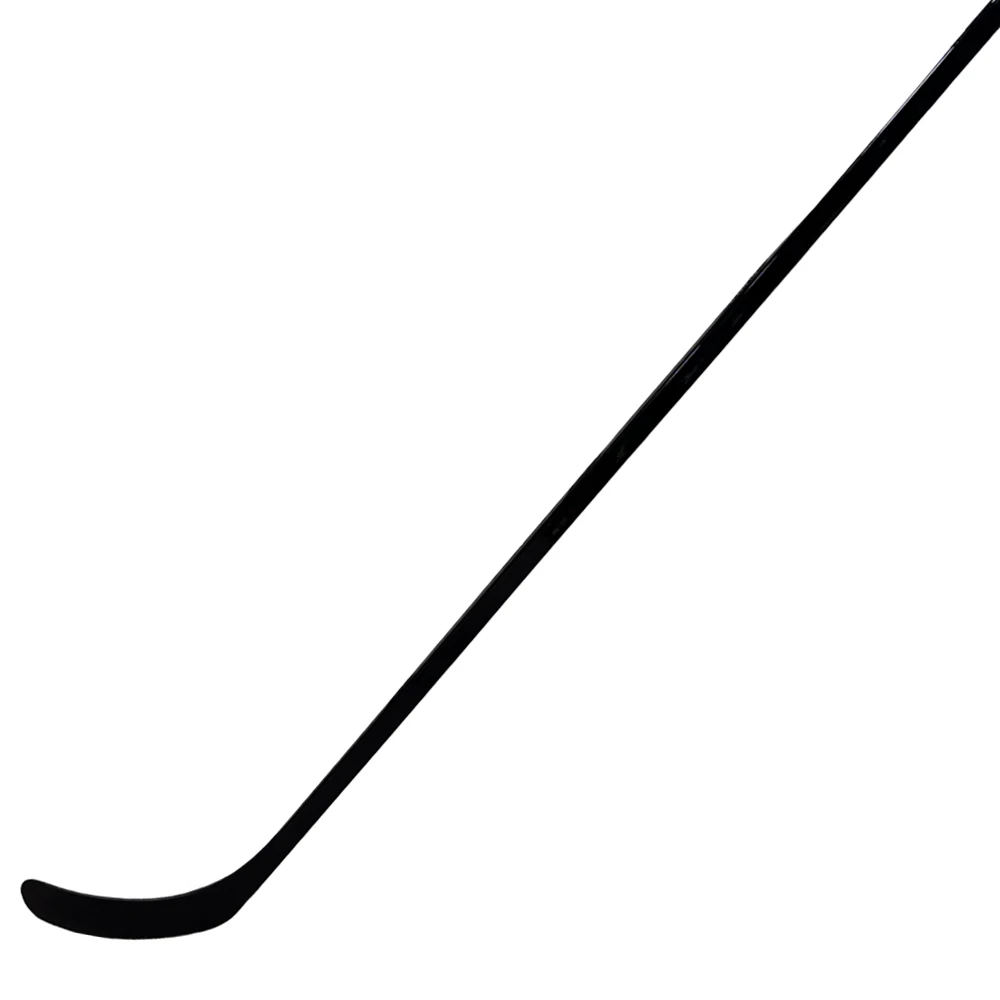
HockeyStickManValue Blackout
HockeyStickMan Value Blackout
$79.99
Low kick500gSenior

Low kick for a quick release at this price point.

Best for: HSM's entry level pro stock stick built for durability and performance at an unbeatable price. Mid-grade carbon construction with a mid kick point and soft touch grip. A great option for players who want a pro stock feel without the pro stock price tag.

2
HockeyStickManPro Blackout
HockeyStickMan Pro Blackout
$139.99
Hybrid kick425gSenior

Available in 8+ curves so most players can find their preferred pattern.

Best for: HSM's flagship Pro Blackout stick. Pro-inspired construction with 100% carbon, a true one-piece build, and a hybrid kick point that balances quick release with power. High-end performance at a competitive price. Available in 30+ curves.

3
TaggsHockeyClassic
TaggsHockey Classic
$149.99
Mid kick400gAdvanced

Available in 9+ curves so most players can find their preferred pattern.

Best for: Players who want elite performance with extra durability at the most accessible price

4
TaggsHockeyRPG-Pro 375g
TaggsHockey RPG-Pro 375g
$164.99
Mid kick375gBeginner

Lightweight build (under 400g) usually reserved for higher tiers.

Best for: Players who want premium performance with proven durability at a budget price

HockeyStickMan Pro Blackout Extra Lite
$159.99
Low kick400gSenior

Low kick for a quick release at this price point.

Best for: HSM's lightest standard Blackout model. 100% carbon true one-piece construction with a low kick point for quick release. Soft touch grip finish and extended length available in 85 and 95 flex. Pro stock performance at a fraction of the retail price.

7
HockeyStickMan Pro Blackout Prototype
$179.99
Hybrid kick350gSenior

Lightweight build (under 400g) usually reserved for higher tiers.

Best for: HSM's most elite Blackout ever. Weighing just 350g and built with high-grade 24K Toray carbon fiber. Features a hybrid kick point for quick release and power, true one-piece construction, and a pro-level tactile grip layered over a tacky shaft finish.

Intermediate

Best Intermediate Sticks Under $200

Intermediate sticks for growing teens roughly 5'1" to 5'8", with flex options in the 55 to 75 range.

Junior

Best Junior Sticks Under $200

Junior and youth sticks for younger players under 5'1", with lower flex (30 to 55) and shorter shaft lengths.

Buying Guide

What to look for in an affordable stick

Weight

Weight is the single biggest tell between price tiers. Elite sticks weigh 380 to 420 grams. Affordable sticks weigh 440 to 500 grams. Sixty grams sounds small but you feel it in the back half of a shift when stick handling gets sloppy. If you can find a sub-450 gram option under $200, take it. Anything over 480 will feel noticeably leaden next to a teammate's elite stick.

Materials

The number to look for is carbon fiber percentage. Affordable sticks run 60 to 85 percent carbon, with the balance being fiberglass for cost. Elite sticks are 100 percent carbon, often with named layups like 24K Toray. Higher carbon means lighter weight, better energy return on shots, and a crisper feel on passes. Avoid sticks that do not disclose their carbon content. That usually means the answer is low.

Kick point

Low kick rewards quick releases close to the net. Mid kick rewards heavier slap shots from the point. Hybrid splits the difference. Pick the one that matches how you actually shoot, not what feels exotic on paper. Kick point matters more at the budget tier because cheaper sticks rely on the kick zone to do more work than the shaft itself.

Blade pattern availability

Affordable sticks ship in fewer curve options than elite sticks, often just two or three. Make sure the curve you actually use is offered before committing. Use our curve translator if you are switching brands. Picking a stick with no version of your curve is the most common regret at this price point.

Tiers

Budget tier breakdown

Under $100

Two-piece construction, basic glass-heavy layup, weights pushing 500 grams. Fine for a first stick, a backup, or pond hockey. Expect bare-minimum durability and a softer blade that wears faster. Most under-$100 picks make sense for kids in fast-growth years or adults who play once a month and would rather replace cheaply than baby an expensive stick. Skip this tier if you skate weekly and care about feel.

$100 to $150

The sweet spot for casual and adult rec players. Mostly one-piece construction at this tier, 60 to 75 percent carbon, weights around 460 to 490 grams. Curve and flex selection opens up. You get a real shaft taper and a usable kick zone. Most beer leaguers and developing youth players will not feel held back by anything in this range. Pro stock options also start to make sense here because the discount over retail flagships compounds.

$150 to $200

The smart-money tier. Higher carbon counts (75 to 85 percent), better resin systems, weights under 460 grams, full kick-point lineup. Many of these sticks share construction techniques with the brand's flagship from one or two seasons ago. If you skate two or three times a week or play competitive minor or senior hockey, stretch into this tier rather than reaching for an entry-level $250 elite stick. The performance per dollar peaks here.

Not sure which one fits your game?

Take the Find My Stick quiz and we will match three picks to your position, level, and budget.

Take the quiz
FAQ

Common questions about affordable hockey sticks

Are cheap hockey sticks worth it?

A modern $150 stick performs far better than a $300 stick from ten years ago. Carbon fiber technology and one-piece construction have trickled down into the affordable tier. For most rec, beer league, and developing players, an affordable stick gives you 80 to 90 percent of the on-ice feel of an elite stick at a fraction of the price. The diminishing returns above $250 are real.

What's the difference between a $150 stick and a $300 stick?

Weight and resin quality. A $300 elite stick is lighter (usually 380 to 420 grams) and uses higher-grade aerospace resin that recovers faster after each shot. A $150 stick is heavier (440 to 480 grams) and uses standard resin. Blade response feels similar at first contact. The difference shows up over a full game when your hands get tired or when you take repeated heavy shots and the elite stick stays consistent while the budget stick flexes a touch more.

Do pros use affordable sticks?

No NHL player uses a retail stick of any price. They use custom pro stock builds with proprietary curves, exotic flex profiles, and weight targets you cannot buy at a store. That said, the technology in today's affordable sticks is meaningfully closer to a pro stick than it was a few years ago. Carbon layup methods that used to be elite-only are now standard at $180.

How long should an affordable stick last?

A serious player who skates two or three times a week will get four to eight months out of an affordable stick. Casual players get a year or more. Sticks break from edge impacts (slashes, shot blocks, post hits) more than from fatigue, so durability is largely about luck and how often you take heavy slap shots. The cheaper carbon layup at this tier is slightly more prone to micro-cracks but still rugged.

Is pro stock or retail better at the budget tier?

Pro stock is the better value if you can match a curve you already like. A blackout pro stock at $180 often outperforms a $250 retail stick on weight and feel because the build was originally specced for a pro and the brand just removed the graphics. The downside is no warranty and patchy curve availability. If your curve is available in pro stock, it is usually the smarter buy. If not, retail wins on consistency.

Are junior sticks always the cheapest option?

Junior sticks are smaller and use less material, so they cost less than senior sticks across every tier. That does not mean a younger player should default to the cheapest stick available. A junior stick that is the wrong length or flex for the player will feel worse than a slightly more expensive stick sized correctly. Buy for the player, not just for the price tag.

Comparing two specific sticks?

Put any two sticks side by side for spec deltas, kick point, weight, and AI-written breakdowns.

Open compare