1
TaggsHockeyClassic

$149.99
Mid kick400gAdvanced
Available in 9+ curves so most players can find their preferred pattern.
Best for: Players who want elite performance with extra durability at the most accessible price
Under $300 opens up last-season flagships, current high-performance models, and the best pro stock builds. If you skate regularly or play competitively, this is where light weight, fast resin recovery, and a full kick-point lineup all become available.
Spending more does not automatically mean a better stick for you. Fit still comes first: your shot, your curve, and the right flex for your weight. The picks below are strong, in-stock options under $300, and the quiz turns your details into a personal match.
Available in 9+ curves so most players can find their preferred pattern.
Best for: Players who want elite performance with extra durability at the most accessible price

Lightweight build (under 400g) usually reserved for higher tiers.
Best for: Players who want premium performance with proven durability at a budget price
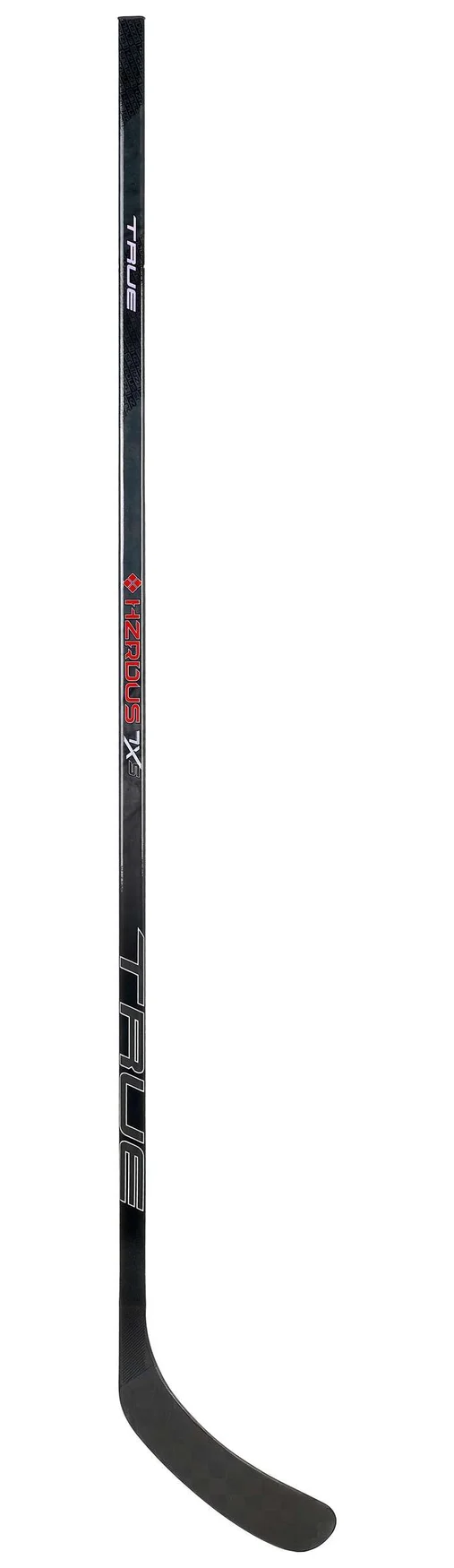
Low kick for a quick release close to the net.
Best for: Elite snipers who want a featherlight low kick stick with pro-grade carbon and SRT4 blade technology at a below-elite price.
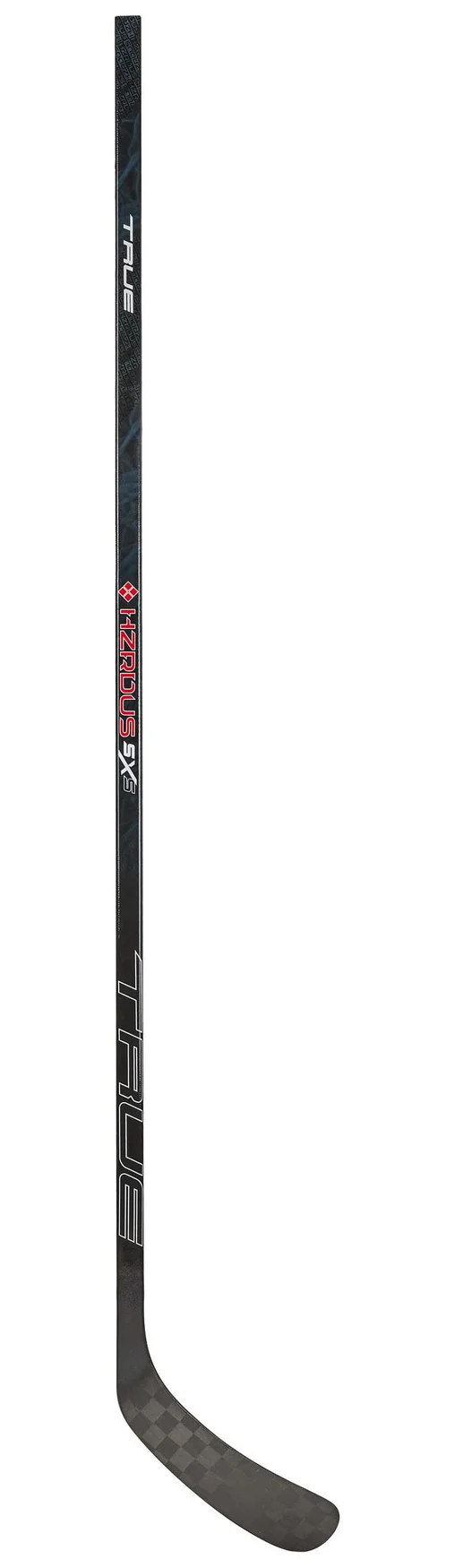
Low kick for a quick release close to the net.
Best for: Performance players who want a one-piece low kick stick with elite construction and PASS blade technology at a mid-range price.

Low kick for a quick release close to the net.
Best for: Forwards who want a quick release and lightweight feel. Ideal for players who shoot in stride and value fast puck release over raw power.
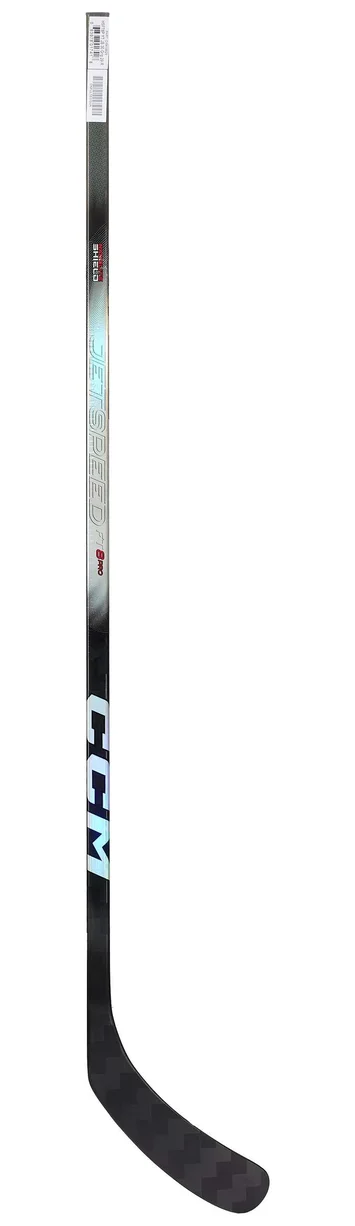
Lightweight build (under 400g) usually reserved for higher tiers.
Best for: Young elite players who want the same pro-level JetSpeed FT8 Pro technology in a youth size.
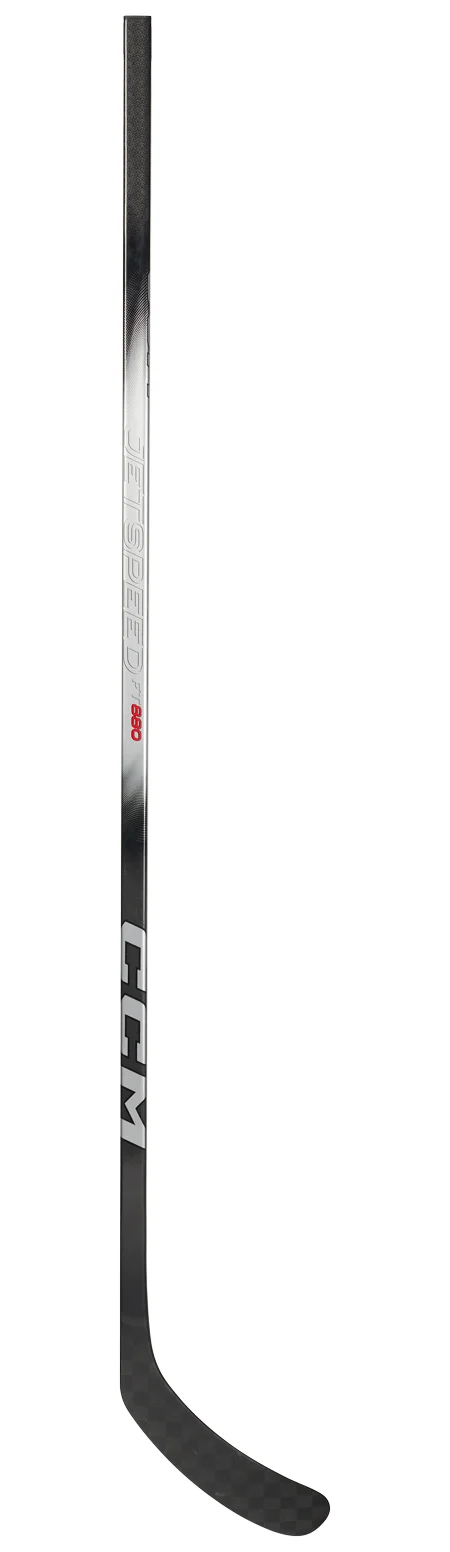
Solid construction and dependable feel for the price.
Best for: Competitive players who want the effortless JetSpeed release and better puck feel without paying elite stick prices.

Lightweight build (under 400g) usually reserved for higher tiers.
Best for: A mid-kick Pro Blackout built for players who want a responsive blade and controlled release. Features 18K carbon layup and a mid kick point for versatile shooting from anywhere on the ice.

Lightweight build (under 400g) usually reserved for higher tiers.
Best for: A hybrid kick Pro Blackout featuring tactile corner spiral grip and a stiff blade. Built for versatile players who want power and control across all shot types.
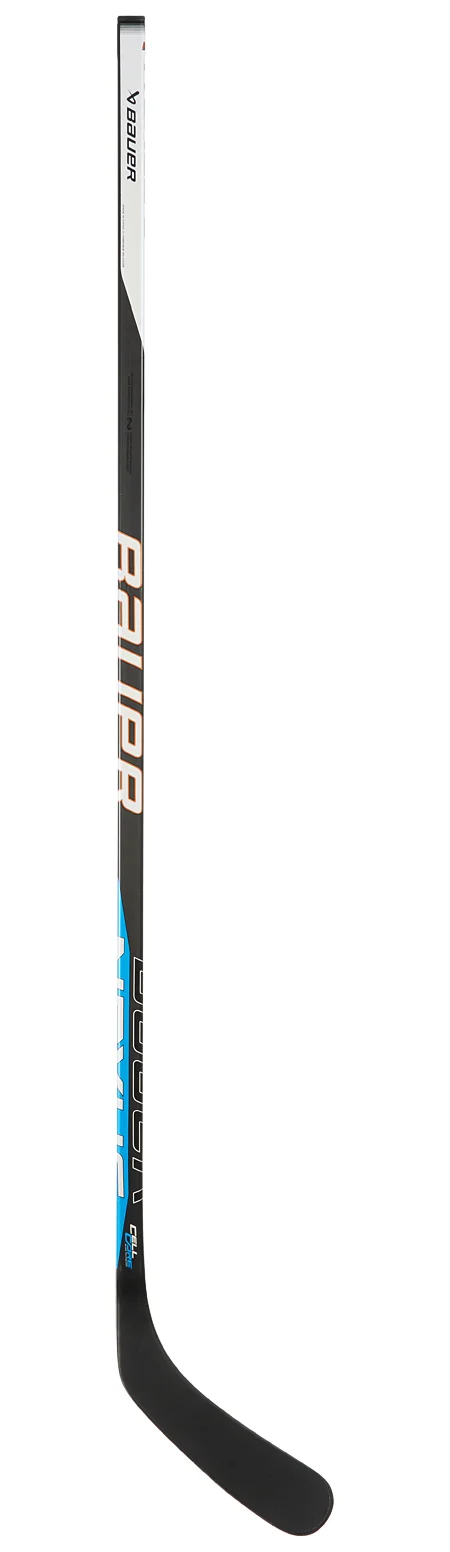
Solid construction and dependable feel for the price.
Best for: Recreational and developing players who want the Nexus mid kick release and ER Spine Technology at an entry level price.
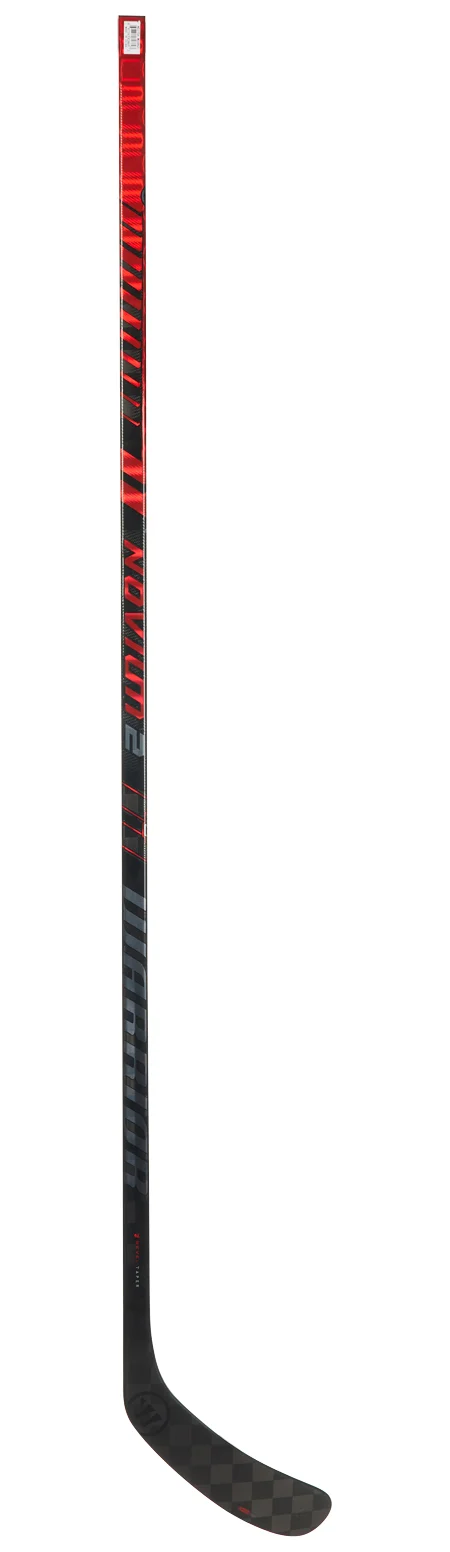
Available in 5+ curves so most players can find their preferred pattern.
Best for: Power shooters who want elite mid kick performance and maximum shot velocity at a mid-range price.
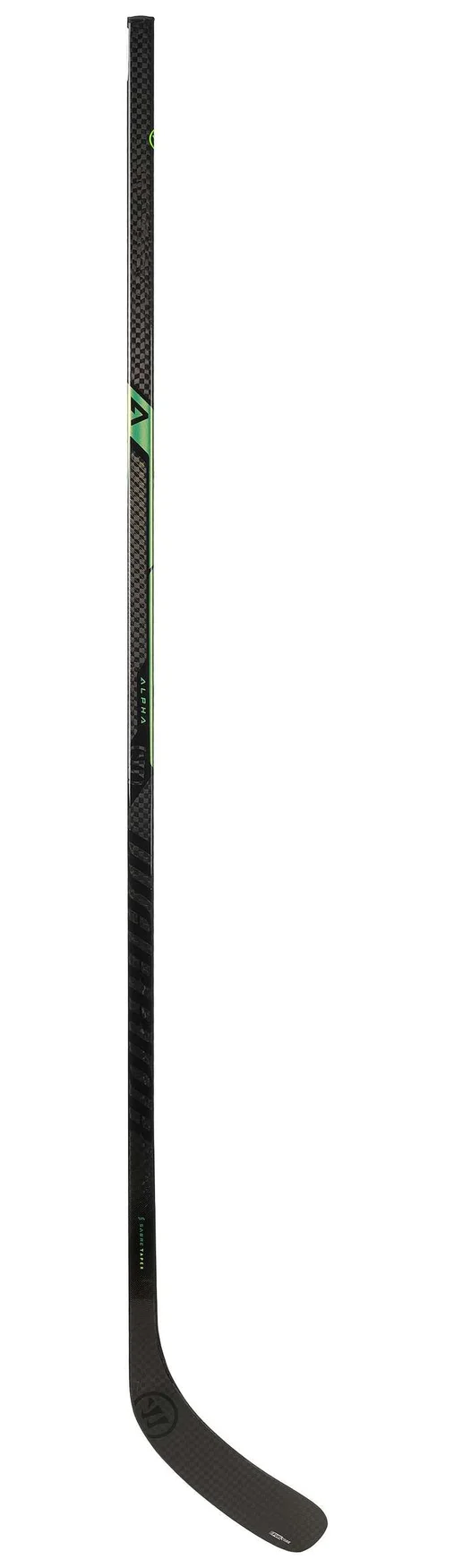
Lightweight build (under 400g) usually reserved for higher tiers.
Best for: High-end players who want elite hybrid kick performance and FuelCore Pro blade feel without paying for the Pro model.
Flex matters more than any spec on the label. A common starting point is roughly 40 percent of your body weight in pounds, then adjust for strength and shooting style. Remember that cutting a stick down stiffens it by about 2 flex points per inch, so a cut stick plays stiffer than the printed number.
Low kick rewards quick releases close to the net. Mid kick rewards heavier shots from distance. Hybrid splits the difference. Match the kick point to how you actually shoot rather than what sounds exotic on paper.
Weight is the clearest tell between price tiers. Lighter sticks feel better late in a shift when stick handling gets sloppy. If two sticks fit your game, the lighter one is usually the better buy, but do not chase grams at the expense of the right flex and curve.
Make sure the stick is offered in a curve you actually use before committing. Use our curve translator if you are switching brands. Picking a stick with no version of your curve is the most common regret.
Basic glass-heavy layup, heavier shafts. Fine for a first stick, a backup, or pond hockey. Skip this tier if you skate weekly and care about feel.
The value sweet spot for casual and adult rec players. Mostly one-piece construction, wider curve and flex selection, and a usable kick zone. Most beer leaguers will not feel held back here.
Higher carbon content, better resin systems, lighter builds, and the full kick-point lineup. Worth the stretch if you skate two or three times a week or play competitively.
The best stick is the one matched to your shot, your curve, and a flex that suits your weight. Two players the same height can need very different sticks. This page shows strong, in-stock options at each price, but the fastest way to narrow it down is the quiz. It reads your weight for flex, your curve preference, and your release style, then returns your closest matches in about a minute.
If you skate two or three times a week or play competitively, yes. The step up buys lighter weight, faster energy return on shots, and the full range of kick points. For a casual player, a stick under $150 already covers the essentials, so the extra spend is optional rather than necessary.
A common starting point is roughly 40 percent of your body weight in pounds, then adjust for strength and shooting style. Cutting a stick down stiffens it by about 2 flex points per inch, so a cut stick plays stiffer than the number printed on it. The quiz calculates a recommended flex from your weight automatically.
Pro stock is often the better value when you can match a curve you already like, since the build was specced for a pro and just sold without graphics. The trade-off is no warranty and patchier curve availability. If your curve is offered in pro stock, it is usually the smarter buy. If not, retail wins on consistency and selection.
Every stick here is buyable right now, with at least one working retailer link and a current price. We rank by how complete and current the listing is, cap each brand at two picks so you see real variety across the list, and spread the picks across categories. There is no pay-to-rank and no single "best" score. The list refreshes automatically as catalogue prices and stock change.
Comparing two specific sticks?
Put any two sticks side by side for spec deltas, kick point, weight, and AI-written breakdowns.